
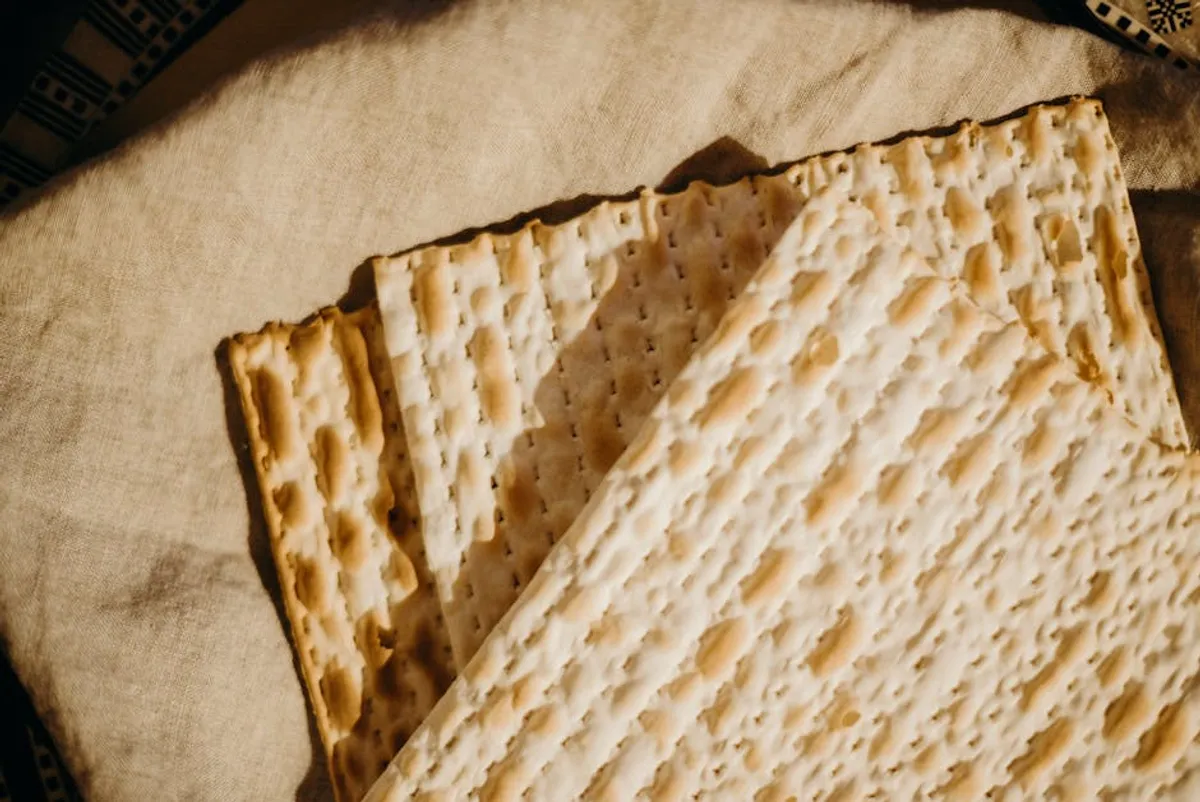
Passover 2026 begins at sunset on Tuesday, April 14, and concludes at nightfall on Wednesday, April 22. For businesses involved in retail, publishing, travel, or any sector engaging with Jewish communities globally, understanding these precise dates is essential for strategic planning, content scheduling, and operational adjustments. The holiday's timing, rooted in the lunisolar Hebrew calendar, dictates a specific period of observance that impacts consumer behavior, travel patterns, and media consumption, requiring foresight in marketing campaigns and supply chain management.
Passover 2026: Core Dates and Observances
Passover, or Pesach, is an eight-day festival commemorating the Exodus of the Israelites from slavery in Egypt. Its timing is determined by the Hebrew calendar, specifically beginning on the 15th day of the Hebrew month of Nisan. For 2026, this translates to:
- First Seder Night: Tuesday, April 14 (after sunset)
- First Full Day of Passover (Yom Tov): Wednesday, April 15
- Second Seder Night: Wednesday, April 15 (after sunset)
- Second Full Day of Passover (Yom Tov): Thursday, April 16
- Intermediate Days (Chol HaMoed): Friday, April 17 – Monday, April 20
- Seventh Day of Passover (Yom Tov): Tuesday, April 21
- Eighth Day of Passover (Yom Tov): Wednesday, April 22 (concludes at nightfall)
The first two and last two days of Passover are considered full holidays (Yom Tov), during which traditional Jewish law prohibits work, similar to Shabbat. The intermediate days, Chol HaMoed, have fewer restrictions but still influence daily routines and business operations due to widespread observance.
Understanding the Hebrew Calendar's Impact on Passover Timing
The Hebrew calendar is lunisolar, meaning its months are based on lunar cycles, but it is adjusted to align with the solar year through the periodic addition of a leap month. This system ensures that Passover, which marks the arrival of spring, always falls in its correct season. The 15th of Nisan consistently marks the start of Passover, but its corresponding Gregorian date shifts annually. This annual shift necessitates proactive calendar integration for any organization with significant engagement during holiday periods.
The observance of Passover begins at sunset on the eve of the 15th of Nisan, as days in the Jewish tradition begin at sundown. This detail is crucial for scheduling events, content releases, or promotional campaigns, as consumer activity patterns can shift dramatically from late afternoon on the preceding day.
Strategic Implications for Businesses and Content Creators
The specific timing of Passover 2026 has several commercial implications for various sectors:
Retail and E-commerce Strategy
Businesses selling food, ritual items, clothing, or gifts relevant to Passover require precise inventory management and promotional timing. Demand for kosher-for-Passover products, particularly matzah, kosher wine, and specific holiday ingredients, typically peaks in the weeks leading up to April 14. Shipping deadlines for pre-holiday delivery must be clearly communicated, accounting for potential carrier delays during high-volume periods. Post-holiday sales strategies can also be planned to clear seasonal inventory.
Content Calendar Adjustments
Publishers and content marketers should schedule Passover-themed articles, recipes, educational pieces, and cultural insights to go live weeks in advance of April 14. SEO efforts should target keywords like "Passover recipes 2026," "Passover traditions," "kosher for Passover," and "Passover travel" well before the holiday to capture early search interest. Content should also consider the different phases of the holiday, offering distinct value for pre-holiday preparation, Seder guidance, and Chol HaMoed activities.
Logistics and Supply Chain Management
Companies relying on supply chains that involve regions with significant Jewish populations may experience altered delivery schedules or reduced operational capacity during the full holiday days (April 15-16 and April 21-22). Planning for these periods, including adjusting order cut-off times and delivery windows, is critical to avoid disruptions. Staffing levels may also need adjustment to accommodate employee observances.
Travel and Hospitality Planning
The travel industry sees increased demand for destinations catering to Passover programs or family gatherings. Bookings for flights, accommodations, and specialized tours typically surge months in advance. For 2026, with the holiday falling mid-week, travel patterns might see earlier departures or extended stays to encompass the full eight-day period, impacting airline and hotel availability from early April.
Pro Tip: Always cross-reference Passover dates with specific regional calendars, especially for international operations. While the core dates remain constant, some communities in the Diaspora observe an extra day for certain holidays, and public holiday recognition can vary, directly impacting local business hours and consumer availability.
Strategic Scheduling for Passover 2026
Effective planning for Passover 2026 involves more than just knowing the start and end dates. It requires anticipating the shifts in daily routines and consumer behavior that accompany the holiday. Companies should:
- Initiate campaigns early: Launch Passover-related marketing and promotions by late March to capture pre-holiday shopping and planning.
- Optimize for mobile: Many consumers use mobile devices for holiday shopping and information during busy periods.
- Review historical data: Analyze past Passover sales and engagement metrics to forecast demand and allocate resources effectively for 2026.
- Communicate clearly: Inform customers about any changes to operating hours, shipping timelines, or customer service availability during the holiday.
- Consider cultural sensitivities: Ensure all messaging is respectful and appropriate for the observance, focusing on themes of freedom, family, and tradition.
By integrating these specific dates and their associated cultural rhythms into operational and marketing calendars, businesses can optimize their engagement and service delivery during Passover 2026.
Frequently Asked Questions About Passover 2026
Is Passover always in April?
Passover typically falls in March or April of the Gregorian calendar. The Hebrew calendar is lunisolar, meaning its dates shift relative to the Gregorian calendar each year, ensuring Passover always occurs in the spring.
How many days is Passover observed?
Passover is observed for eight days by Jewish communities in the Diaspora (outside of Israel). In Israel, it is observed for seven days. The first two and last two days (or first and last in Israel) are full holidays (Yom Tov).
What is a Seder?
A Seder is a festive meal held on the first (and second, in the Diaspora) nights of Passover. It involves reading from the Haggadah, a text that recounts the story of the Exodus, and consuming symbolic foods such as matzah, maror (bitter herbs), and four cups of wine.
What is "kosher for Passover"?
"Kosher for Passover" refers to foods that comply with specific dietary laws for the holiday. This primarily means avoiding chametz, which includes leavened grain products like bread, pasta, and most cereals. Special certification is often required for processed foods.