
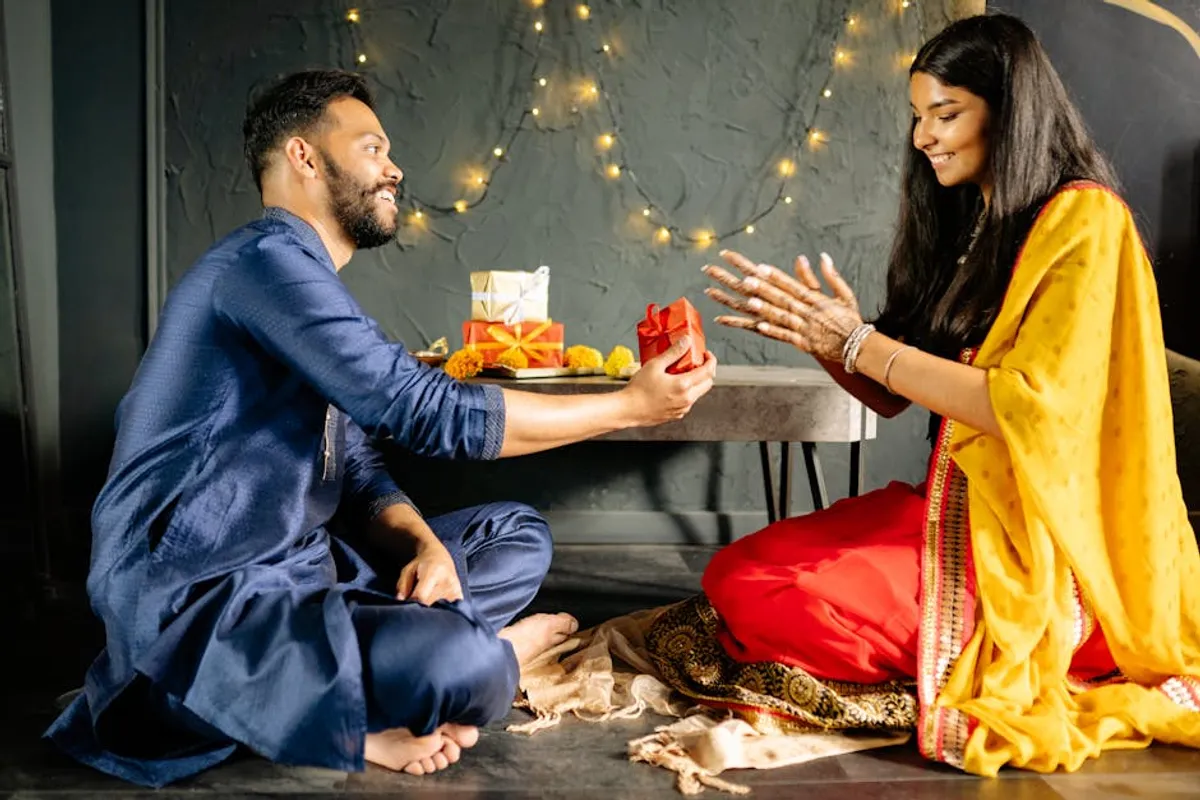
For marketers and content strategists, pinpointing the exact date of major cultural festivals is crucial for effective planning. Diwali, the Hindu festival of lights, will be observed on Tuesday, October 20, 2026. This date serves as the primary reference point for developing content calendars, launching targeted campaigns, and optimizing for peak search interest surrounding one of the most significant annual retail and cultural events.
Understanding this specific date allows businesses to align their digital strategies, from SEO and content creation to paid advertising and social media engagement, ensuring maximum relevance and visibility during a high-volume period for consumer activity and cultural celebration.
Diwali 2026: The Core Date and Observances
The central day for Diwali in 2026 falls on Tuesday, October 20. While this is the most widely recognized date for the main festivities, Diwali is traditionally a five-day festival. The specific days leading up to and following the main Diwali day are:
- Dhanteras: Sunday, October 19, 2026
- Naraka Chaturdashi (Choti Diwali): Monday, October 20, 2026
- Diwali (Lakshmi Puja): Tuesday, October 21, 2026
- Govardhan Puja: Wednesday, October 22, 2026
- Bhai Dooj: Thursday, October 23, 2026
These dates are based on the Hindu lunisolar calendar, where Diwali typically occurs on the darkest night of the Hindu month of Kartik (Amavasya). While the primary focus for many commercial activities will center around October 20-21, recognizing the full five-day span provides opportunities for extended content themes and campaign durations.
Strategic Implications for Content and Campaigns
Knowing the precise Diwali 2026 date enables a proactive approach to marketing. Search interest for Diwali-related terms begins to build significantly weeks, if not months, before the actual festival. Businesses that wait until October to initiate their campaigns often miss critical early-stage consumer research and purchasing cycles.
Content Planning: Develop a content calendar that accounts for the pre-Diwali research phase. This includes gift guides, home decor ideas, traditional recipes, cultural explanations, and tips for celebration. Content should be published and optimized well in advance, ideally starting in July or August, to allow for indexing and ranking ahead of peak search volume.
Campaign Timing: Launch paid search and social media campaigns with sufficient lead time. Early campaigns can capture users in the inspiration and consideration phases, while closer to the date, campaigns can shift to conversion-focused messaging. Email marketing sequences can also be staggered to build anticipation and offer timely promotions.
Keyword Research: Analyze historical search trends for Diwali-related keywords. Identify long-tail keywords associated with specific gifts, regional traditions, or preparation aspects. Tools that track seasonal search volume can reveal when specific terms begin to trend upwards, informing both content creation and ad targeting.
Pro Tip for Marketers: Begin your Diwali content and campaign planning at least 3-4 months in advance of October 20, 2026. Search interest for terms like "Diwali gifts," "Diwali decorations," or "Diwali recipes" often begins its upward trend as early as July and August. This extended research and purchase cycle rewards early engagement and allows ample time for search engines to index and rank your relevant content.
Regional Variations and Observances
While the primary date for Diwali in 2026 is October 20, slight variations in observance or local customs can occur based on regional calendars, particularly in different states of India or among diaspora communities worldwide. For example, some regions might observe specific rituals on slightly different days or emphasize certain aspects of the festival more than others.
For businesses targeting specific geographic markets, it is prudent to research local calendars and traditions. This ensures that marketing messages are culturally sensitive and accurately reflect the specific observances of the target audience, preventing missteps and enhancing campaign effectiveness.
Leveraging Cultural Significance for Effective Messaging
Diwali is a festival symbolizing the triumph of light over darkness, good over evil, and knowledge over ignorance. It is associated with prosperity, new beginnings, and family gatherings. Incorporating these themes into marketing messages can resonate deeply with consumers.
Themes to Consider:
- Prosperity and Abundance: Link products or services to themes of wealth, growth, and good fortune, often associated with Lakshmi Puja.
- Gifting and Sharing: Emphasize the joy of giving and receiving, positioning products as ideal gifts for family and friends.
- Home and Family: Highlight products that enhance home environments, facilitate family celebrations, or contribute to festive decor.
- New Beginnings: Frame offers around starting fresh, making positive changes, or investing in future well-being.
Authenticity in messaging is paramount. Generic or superficial references to Diwali can be perceived negatively. Instead, focus on genuine connections to the festival's values and how offerings align with consumer needs during this celebratory period.
Preparing for Diwali 2026 Success
To maximize impact during Diwali 2026, a structured approach is essential. Begin by confirming the exact dates and associated observances for your target regions. Subsequently, develop a comprehensive content and campaign strategy that accounts for the extended consumer journey leading up to and through the festival.
Prioritize early content creation and optimization for search engines. This includes updating existing Diwali-related content with fresh information and creating new, relevant pieces. Simultaneously, plan your paid media budget and creative assets to launch in phases, capturing early interest and converting during peak demand. Monitor performance metrics closely to make real-time adjustments and capitalize on emerging trends.
Frequently Asked Questions
What is the main date for Diwali in 2026?
The main day for Diwali, often associated with Lakshmi Puja, is Tuesday, October 20, 2026.
How many days does Diwali typically last?
Diwali is traditionally a five-day festival, with observances beginning on Dhanteras and concluding with Bhai Dooj.
Why is knowing the Diwali date important for businesses?
Knowing the date is crucial for planning content calendars, timing marketing campaigns, optimizing for seasonal search trends, and managing inventory to align with significant consumer spending and cultural engagement.
Do Diwali dates vary by region?
While the primary date is widely recognized, slight variations in specific observances or local calendar interpretations can occur depending on the region or community.



