
Jibhi, nestled in the Tirthan Valley of Himachal Pradesh, presents a distinct proposition for travelers seeking an escape from conventional tourist circuits. This destination caters specifically to individuals prioritizing serene natural environments, authentic local culture, and opportunities for low-impact adventure over commercialized attractions. Understanding Jibhi’s unique appeal is crucial for prospective visitors; it’s a place where the primary value lies in its quietude, pristine landscapes, and the chance to engage directly with the Himalayan foothills. For those evaluating destinations for a restorative or exploratory trip, Jibhi offers a compelling alternative, characterized by its dense pine forests, traditional Himachali architecture, and the gentle flow of the Jibhi stream.
Exploring Jibhi: Activities and Attractions
Jibhi's appeal stems from its natural setting and the opportunities it provides for immersion. The activities available are largely outdoor-centric and focus on experiencing the local environment directly.
Natural Landscapes and Treks
The region is defined by its accessible trails and scenic spots, suitable for various fitness levels.
- Jibhi Waterfall: A relatively short, easy walk from the main village leads to this multi-tiered waterfall, offering a refreshing natural spectacle and a popular spot for photography. The path is well-defined, making it suitable for most visitors.
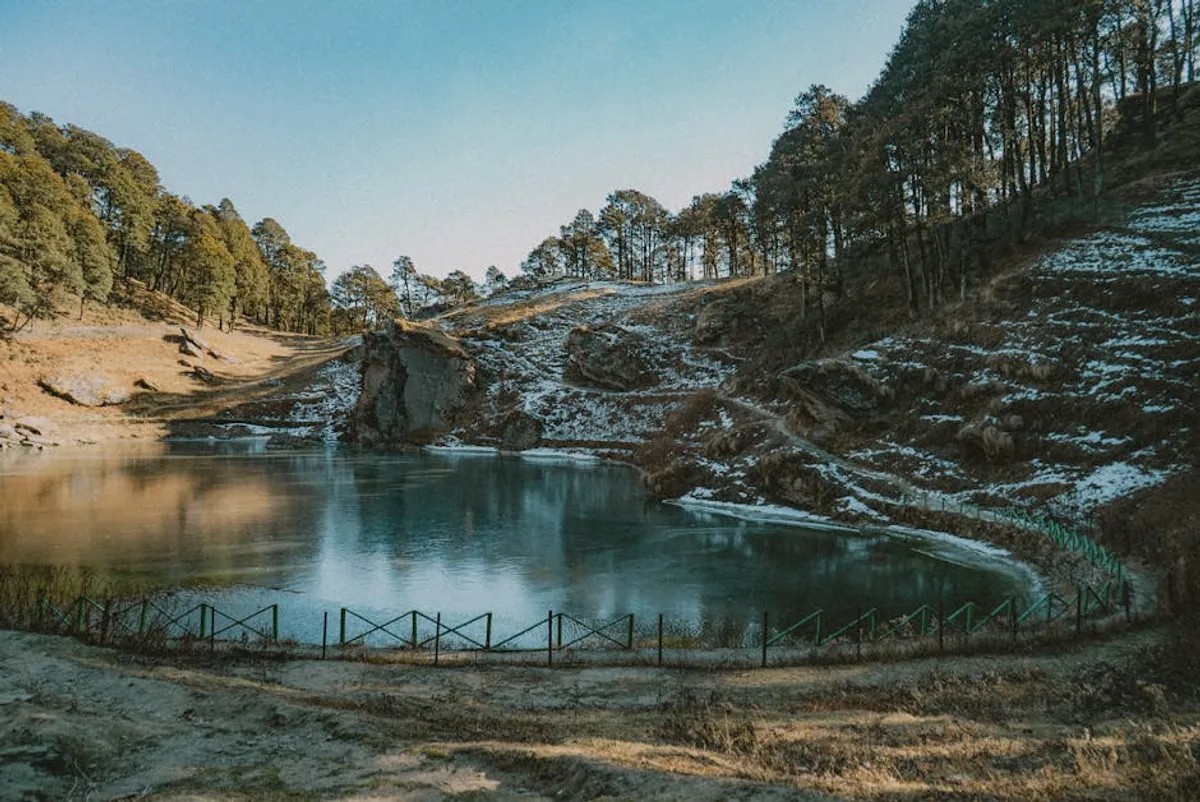
- Serolsar Lake: This high-altitude lake requires a moderate trek, typically starting from Jalori Pass. The approximately 5-6 km trail winds through dense oak forests, culminating at a serene lake believed to have medicinal properties. A small temple dedicated to Budhi Nagin (the Serpent Goddess) stands beside it, adding a cultural dimension to the natural beauty.
- Jalori Pass: Situated at an elevation of 10,800 feet, Jalori Pass serves as a gateway to several treks, including Serolsar Lake and Raghupur Fort. It offers panoramic views of the Dhauladhar and Kinnaur ranges, making it a destination in itself for scenic drives and short walks.
- Chehni Kothi: This towering, traditional Himachali fort-temple, constructed from stone and wood, stands as an architectural marvel. Reaching it involves a short trek from the village of Shringa Rishi. The structure provides insight into local building techniques and historical defense strategies, offering a tangible connection to the region's past.
Cultural Immersion and Local Experiences
Beyond its natural beauty, Jibhi offers a glimpse into the local way of life, characterized by traditional practices and architecture.
Village Exploration: Wandering through Jibhi and neighboring villages like Ghiyagi and Shoja reveals traditional Himachali homes, often built with local timber and slate. Engaging with local residents, observing daily routines, and experiencing village life provides a rich cultural context. Many homestays offer opportunities to learn about local cuisine and customs firsthand.
Trout Fishing: The Tirthan River, which flows through the valley, is renowned for its trout population. Permits can be obtained locally, and guided fishing excursions are available for those interested in a tranquil angling experience. This activity is regulated to ensure sustainability.
Pro Tip: When planning treks in Jibhi, especially to higher altitudes like Serolsar Lake or Raghupur Fort, inquire locally about trail conditions and weather forecasts. While many trails are well-marked, unexpected changes in weather can occur rapidly in the mountains. Consider hiring a local guide for longer or less-frequented routes to enhance safety and gain local insights into flora, fauna, and folklore.
Practical Travel Considerations for Jibhi
Effective planning enhances the Jibhi experience, ensuring comfort and alignment with the region's specific characteristics.
Optimal Visiting Periods
The best time to visit Jibhi depends on desired activities and climate preferences:
- March to May: Spring offers pleasant weather, with temperatures ranging from 10°C to 25°C. This period is ideal for trekking, outdoor activities, and enjoying blooming rhododendrons.
- September to November: Post-monsoon, the skies are clear, and the landscape is lush. Temperatures are similar to spring, making it excellent for hiking and photography. The autumn foliage adds vibrant colors to the valley.
- December to February: Winter brings snowfall, transforming Jibhi into a white wonderland. Temperatures drop below freezing. This season is suitable for those seeking a snowy retreat, but some roads or trails might be inaccessible, and specific winter gear is essential.
Accommodation and Dining
Jibhi primarily offers guesthouses, homestays, and a few boutique resorts. These options often emphasize local hospitality and provide an authentic experience. Many accommodations include meals, featuring Himachali cuisine prepared with fresh, local ingredients. Expect simple, wholesome food, often including local staples like red rice, lentils, and seasonal vegetables. Pre-booking accommodation is advisable, especially during peak seasons or long weekends, to secure preferred options.
Transportation and Accessibility
Jibhi is accessible primarily by road. The nearest major town is Aut, on the Chandigarh-Manali highway. From Aut, a local bus or taxi can be taken to Jibhi, which is approximately 1.5 to 2 hours away. The journey involves winding mountain roads. For those traveling from distant cities, the nearest airport is Kullu-Manali Airport (Bhuntar), and the nearest major railway station is Chandigarh. From these hubs, private taxis or state-run buses connect to Aut.
Preparing for Your Jibhi Experience
A trip to Jibhi prioritizes disconnecting and engaging with nature. Pack according to the season, focusing on comfortable walking shoes, layers of clothing, and rain gear if visiting during the monsoon or shoulder seasons. Given the limited commercial infrastructure, carrying essential personal medications, a power bank for electronics, and a basic first-aid kit is prudent. Embrace the slower pace and the opportunity for genuine interaction with the local environment and its people.
Frequently Asked Questions About Jibhi
Is Jibhi suitable for families with young children?
Jibhi is generally suitable for families, especially those who enjoy nature walks and quiet environments. Many homestays offer comfortable stays. However, some treks might be challenging for very young children, so choose activities based on their age and stamina.
What kind of internet and mobile connectivity can I expect in Jibhi?
Mobile network coverage can be intermittent and unreliable, particularly for data. While some guesthouses offer Wi-Fi, it may not be high-speed or consistently available. Jibhi is an ideal place to disconnect, but be prepared for limited digital access.
Are there ATMs or banks in Jibhi?
Jibhi itself has limited banking facilities and no ATMs. The nearest ATM is typically in Banjar, about an hour's drive away. It is highly recommended to carry sufficient cash for your expenses, as many small establishments and local vendors operate on a cash-only basis.
What are the local transportation options within Jibhi and the surrounding areas?
Within Jibhi village, most places are accessible by walking. For exploring surrounding areas like Jalori Pass, Serolsar Lake trailhead, or Chehni Kothi, local taxis are the most convenient option. Shared jeeps or local buses also operate on specific routes but with less frequency.