
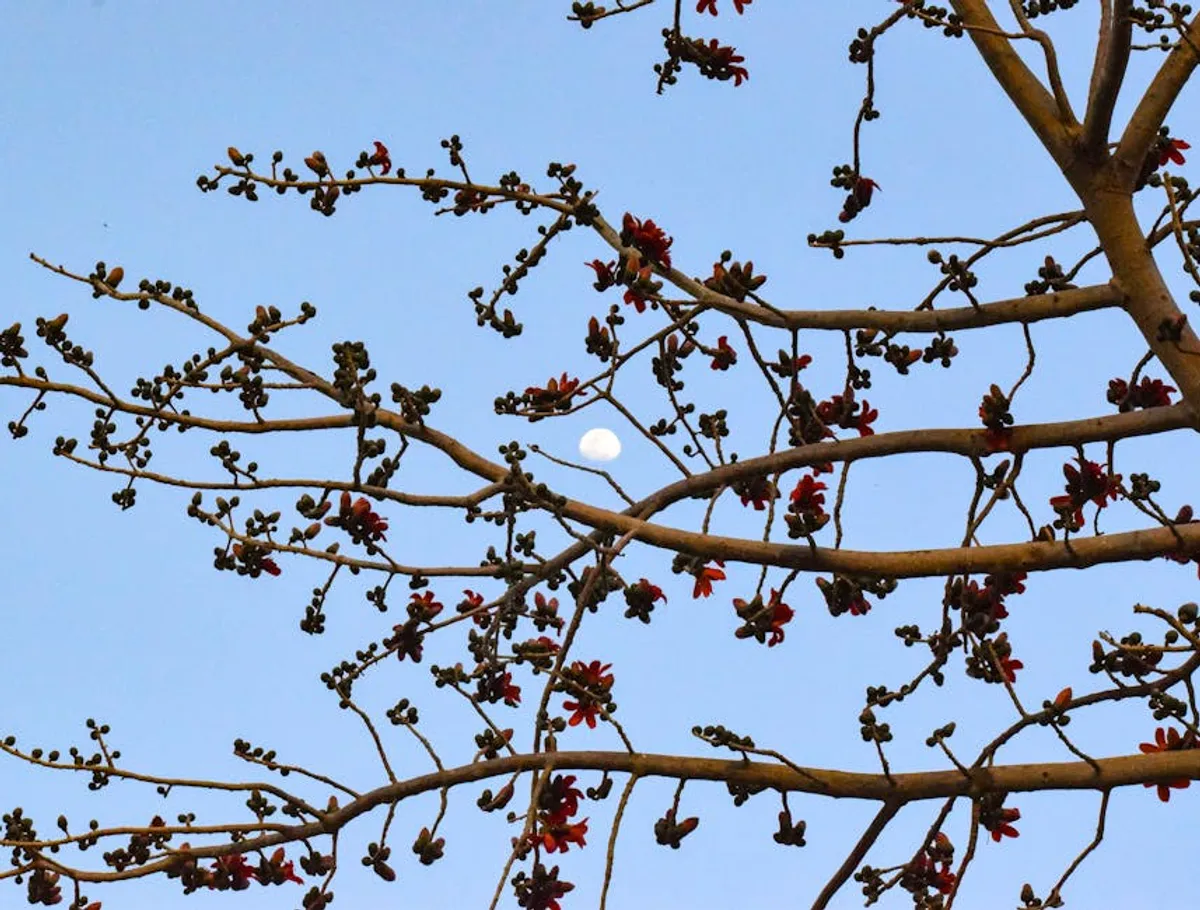
Understanding the Flower Moon involves more than simply knowing its date; it requires grasping the rich cultural and natural significance that has shaped human observation for centuries. This annual May full moon carries deep historical roots, offering insights into seasonal cycles, agricultural practices, and indigenous traditions. For those seeking to comprehend the rhythms of nature and their historical impact, examining the Flower Moon's specific timing and its associated meanings provides a foundational context for broader cultural understanding and seasonal planning.
The Etymology and Symbolism of the Flower Moon
The name "Flower Moon" originates primarily from Algonquin tribes in what is now the northeastern United States and southeastern Canada. This designation reflects a direct observation of the natural world: May is typically the month when flowers bloom in abundance across these regions. The name is not merely descriptive; it encapsulates the period of renewed growth, fertility, and the flourishing of plant life after the colder months. This connection to natural cycles underscores a historical reliance on observing celestial events to mark seasonal changes critical for agriculture and survival.
Beyond the Algonquin, other indigenous cultures had their own names for the May full moon, each reflecting distinct environmental observations or cultural practices:
- Milk Moon: Some European traditions referred to it as the Milk Moon, likely due to the increased milk production from livestock as pastures became lush.
- Corn Planting Moon: For tribes focused on agriculture, this name signaled the optimal time for planting corn.
- Bright Moon: A more general descriptor, acknowledging the increasing luminosity of the moon as nights grew shorter and clearer.
- Hare Moon: In certain northern European traditions, linked to the active breeding season of hares.
These varied names collectively highlight the moon's role as a natural calendar, guiding activities from foraging and hunting to planting and harvesting. The underlying symbolism often revolves around abundance, nurturing, and the full potential of spring transitioning into summer.
Pinpointing the Flower Moon's Annual Appearance
The Flower Moon is specifically the full moon that occurs in the month of May. Its exact date varies each year because the lunar cycle (approximately 29.5 days) does not align perfectly with the Gregorian calendar months. The full moon occurs when the moon is opposite the sun in its orbit around Earth, making its entire face visible from Earth. Astronomers calculate this moment precisely, and the date can shift from early May to late May. For those interested in celestial events, it is helpful to know when the next full moon occurs.
For example, recent and upcoming Flower Moon dates include:
- 2023: May 5th
- 2024: May 23rd
- 2025: May 12th
- 2026: May 1st
The precise time of the full moon is crucial for accurate observation. While the moon may appear full for a day or two around the peak, the astronomical "full moon" is an instantaneous event. This timing can also influence its visibility, especially in relation to local sunrise or sunset. Observing the moonrise or moonset closest to the exact full moon moment often provides the most striking visual experience.
Pro Tip: When referencing specific lunar dates, always account for time zone differences. The exact moment of the full moon can shift by a full day depending on your geographic location, impacting local observations and content scheduling. For global audiences, provide the UTC time and advise local conversion.
Cultural Resonance and Historical Interpretations
The Flower Moon, like other full moons, has been a significant celestial event across diverse cultures, influencing folklore, spiritual practices, and agricultural calendars. For many indigenous communities, the naming of moons was an integral part of their oral traditions and served as a practical method for tracking seasons and coordinating community activities. The Flower Moon specifically marked a period of intense foraging, particularly for medicinal plants and edible greens, as well as preparing fields for summer crops.
In some spiritual and astrological interpretations, the Flower Moon is associated with themes of growth, creativity, and manifestation. It is seen as a time to celebrate natural beauty, express gratitude for abundance, and set intentions for personal or communal development. The emphasis on blooming flowers often translates into metaphors for personal flourishing and the blossoming of new ideas or relationships. Historically, these lunar phases were not just astronomical events but deeply integrated markers of life's rhythms, guiding social structures and ceremonial practices.
Navigating the Annual Lunar Cycle
The Flower Moon represents a specific, observable point in the annual lunar cycle, rich with historical and cultural interpretations. Its meaning, rooted in the natural phenomenon of spring's peak bloom, provides insight into how various cultures historically interacted with and understood their environment. The annual fluctuation of its date, determined by precise astronomical calculations, underscores the dynamic nature of celestial mechanics. Recognizing these details moves beyond simple calendar notation, offering a deeper appreciation for the interconnectedness of natural cycles, human history, and cultural practice.
Frequently Asked Questions About the Flower Moon
What is the primary origin of the Flower Moon's name?
The name "Flower Moon" primarily originates from Algonquin Native American tribes, who named it for the abundance of flowers blooming during May in their regions.
Why does the Flower Moon's date change every year?
The Flower Moon's date changes annually because it is defined as the full moon occurring in May. The lunar cycle is approximately 29.5 days, which does not align perfectly with the Gregorian calendar months, causing the full moon to fall on a different date each year.
Are there other names for the May full moon?
Yes, besides Flower Moon, it has been known by various other names depending on the culture or region. Common alternatives include Milk Moon, Corn Planting Moon, Bright Moon, and Hare Moon, each reflecting different observations or activities associated with the month of May.
What is the cultural significance of the Flower Moon?
Culturally, the Flower Moon often symbolizes fertility, growth, and abundance due to its association with the peak of spring blooms. It historically marked a period of renewed life, successful planting, and increased foraging, guiding agricultural and communal activities for many indigenous and ancient societies.



